
NaN
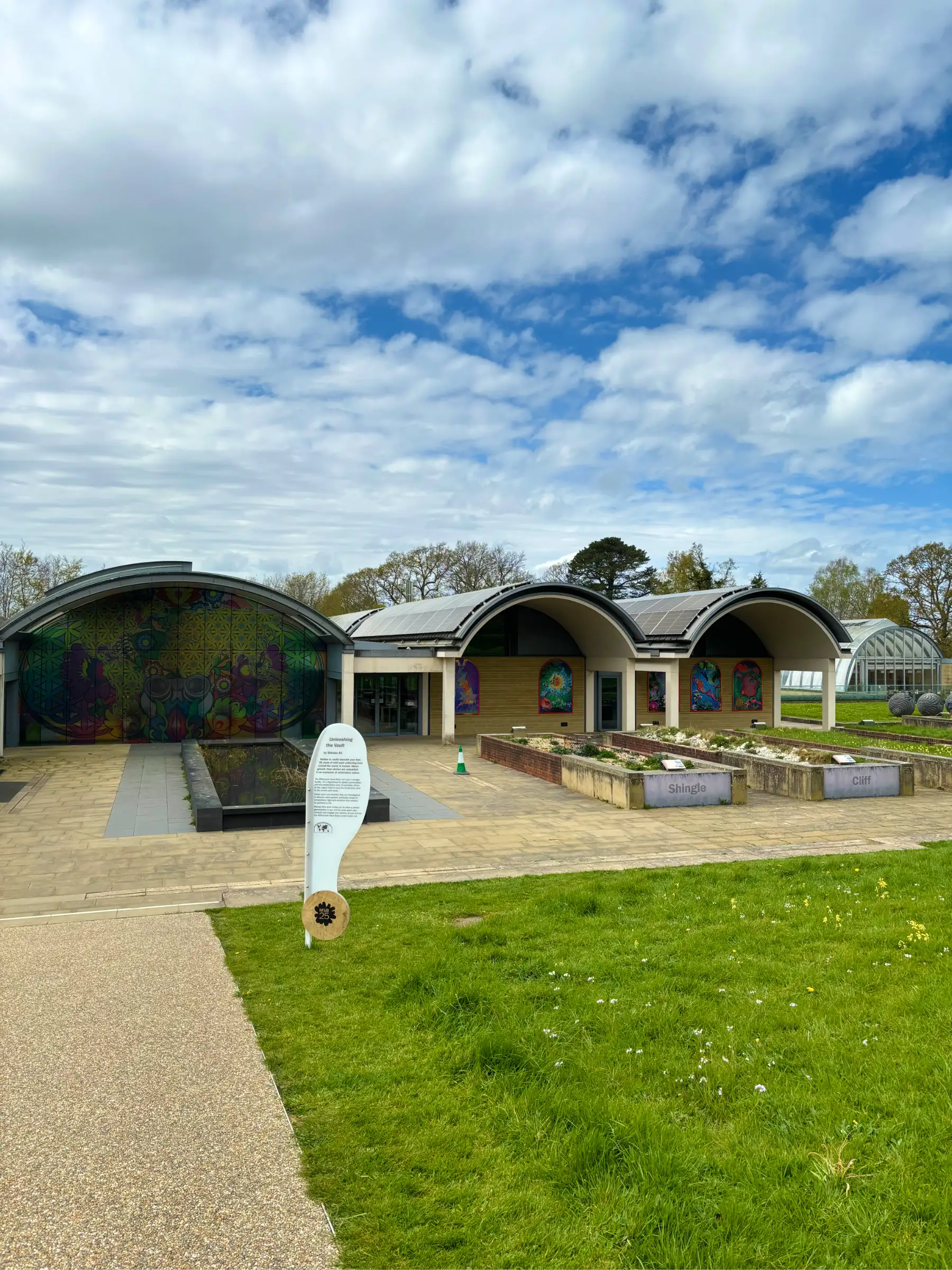


The Millennium Seed Bank
The Millennium Seed Bank Diary Extract - What do seeds have to do with survival?
During my time at BAC residency I've come across The Millennium Seed Bank at Kew Wakehurst. It is the largest ex situ plant conservation programme in the world. With an estimated 45% of plant species threatened with extinction (State of the World’s Plants & Fungi report 2023), the seeds saved at MSB act as an ‘insurance’ against risk of extinction in their native habitat. They have nearly 2.5 billion seeds from all over the world stored at MSB in sub zero underground vaults, including 98% of the UKs native bankable plant species (kew.org).
What is it about seed banks that feel relevant to the developing work? Whilst working at BAC with dramaturge Peter Smart, our conversations around ecology took us to ideas of storing the worlds flora and fauna. The phenomenon of seed banks feels ubiquitous with a world which recognises itself as volatile and dangerous. With multiple threats of climate change, war, nuclear annihilation, disease and natural disasters, having seeds as insurance policy doesn’t sound like a bad idea. There are 1,700 seed banks worldwide including The Svalbard Global Seed Vault otherwise known as ‘doomsday vaults..facilities intended to safeguard humanity in the event of civilisations collapse. This isn’t just about seeds, researchers are preserving everything from DNA to data and even faeces. Should it all go wrong, these Noah’s Arks could provide the blueprint for our recovery’(Guardian).
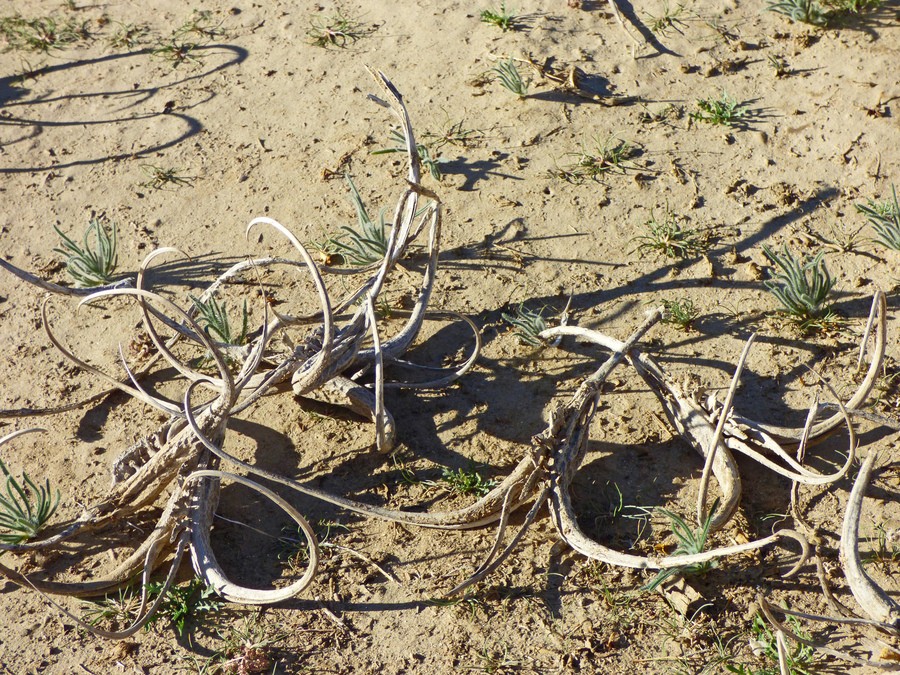
The Devils Claw - seed from Mexico
These questions of saving and storing at BAC were drawing me further into discourse around climate and ecology which sit closer to home. If our life support systems fail, its not just ‘a pretty butterfly’ that’s died which is sad but life can essentially continue as normal. It means world hunger, mass migration, war, economic meltdown and global instability. I’ve started to think about how I can respond to supermarkets, global food chains, harvesting, crop diversity and cooking, how does ecology sit at the heart of our daily lives? Which brings me back to the seed bank. Dr Elinor Breman, senior researcher at MSB reported:
humans depend on plants for food, medicines, clothing, building materials and, quite literally, the oxygen we breathe. “You could look at it as an altruistic thing, but it is also actually survival,” adds Breman. “We need these plants to survive.” (Guardian).
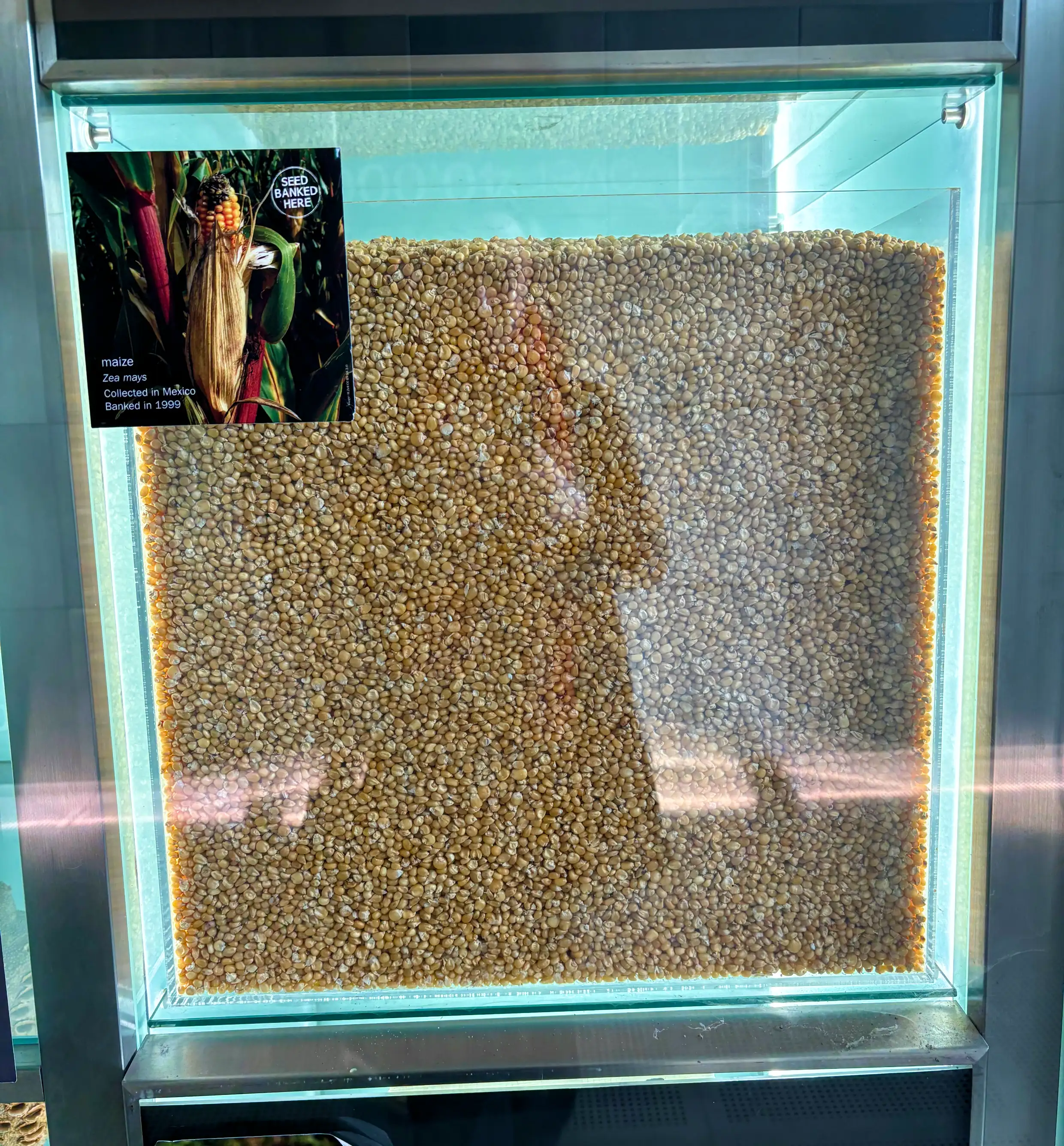
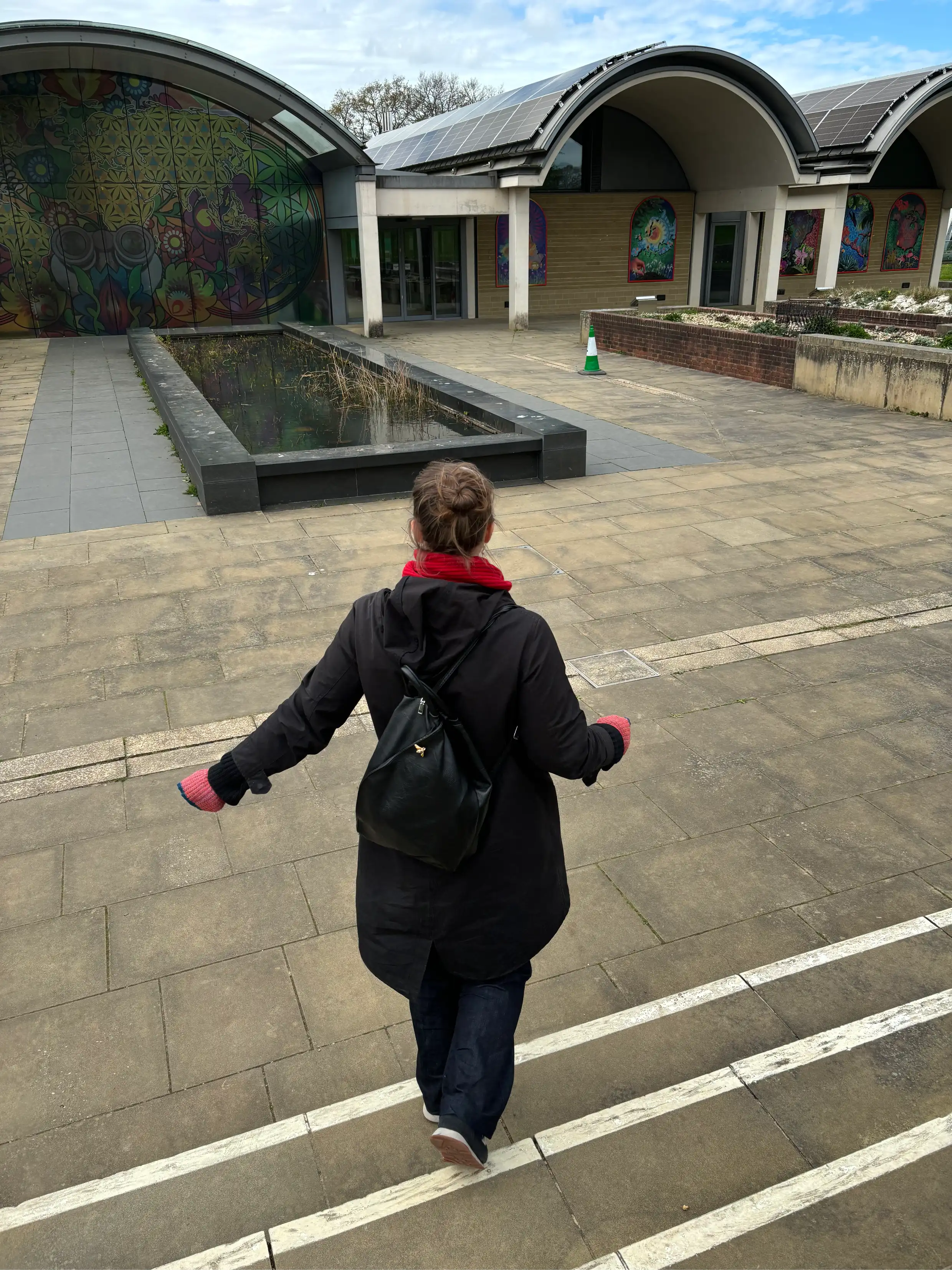
It's strange to think of this apocalyptic nuclear facility (MSB) nestled in the heart of picturesque Sussex countryside which also has a garden centre and gift shop where you can buy luxury soap. Nestled in the rolling banks of green grass, the architecture is formed of five or six arched, tube like buildings, each with solar panels covering their roofs. These structures are bomb, radiation, flood and disease proof. The artist side of my brain wonders if a series of black mirror was ever pitched here, but then I tell myself to stop being so dramatic, on a day to day basis its scientific research.
Disaster doesn’t always look like it does in Hollywood movies, as Charlotte Lusty, head of seed collections explains ‘the purpose of the seed bank is not solely to help re grow civilisation after a major catastrophe. It’s not going to be one big disaster, its many, many small ones happening all the time’ (Big Issue). In underground vaults the seeds are stored in glass jars at minus 20 degrees or cryopreserved at liquid nitrogen.
I’ll list some things I found out interesting to do with MSB in relation to my research:
There are photographs of people working in the vaults below, and of the rows and rows of things that look like a cross between a refrigerator and a filing cabinet. There are thousands of jars of seeds, each meticulously numbered and identified. There’s something quite cosy brought to mind about these glass jars that look like something you’d find in an old fashioned pantry, be they in an environment that feels so utilitarian and nuclear. The variety in the shapes, sizes and colours of the seeds is astounding. I’m interested that it is these humble things which are at the forefront of such existential questions of planet earth. That even in the age of AI and talk of going to Mars, the humble seed is at the forefront of questions about the future and humans existence.
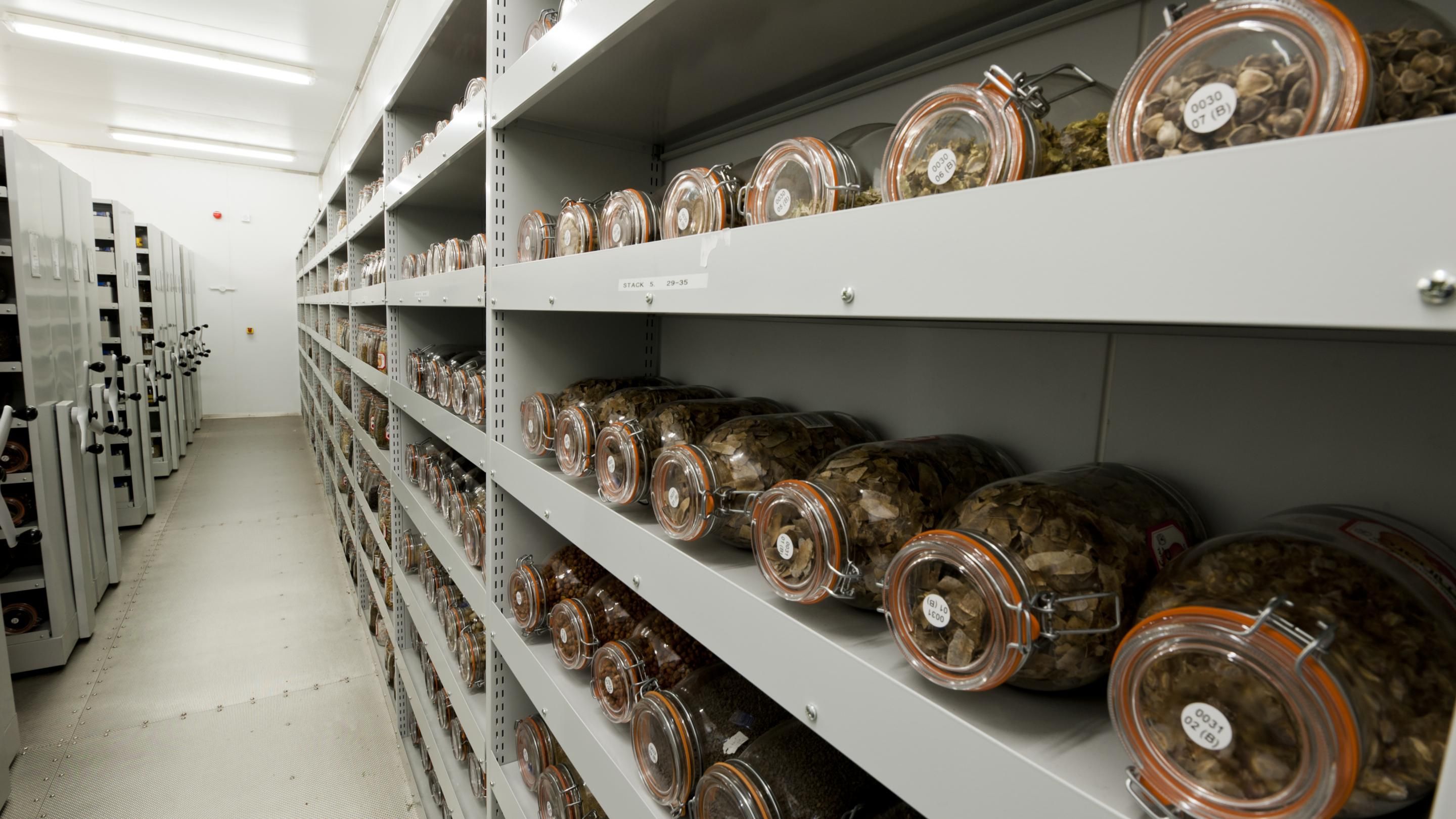
Millennium Seed Bank Vaults
Explorations into sending, storing and even growing seeds in space is also on the agenda. Repositories of seeds could be saved in vaults on the moon as a 2nd backup to seeds stored on earth, but also how seeds react to space forms research as part of the potential to terraform mars (Unearthed podcast). Several countries have been working on this, with the Indian Space Research Organisation germinating cowpea seeds in space, NASA growing gem lettuce in the international space station and Chinese scientists sprouting cotton seeds on the moon (Space Quarter). In 2023/2024 the Choctaw Heirloom Seeds Investigation involved sending five varieties of traditional seeds from the Choctaw Nation of Oklahoma aboard the international space station, measuring how the seeds responded to the conditions of space. I'm not sure how I feel about this space colonialism and further exploration of exploitation of nature - in space. What does this say about how we feel on planet earth and our ideas of the future? Its fascinating and worrying.
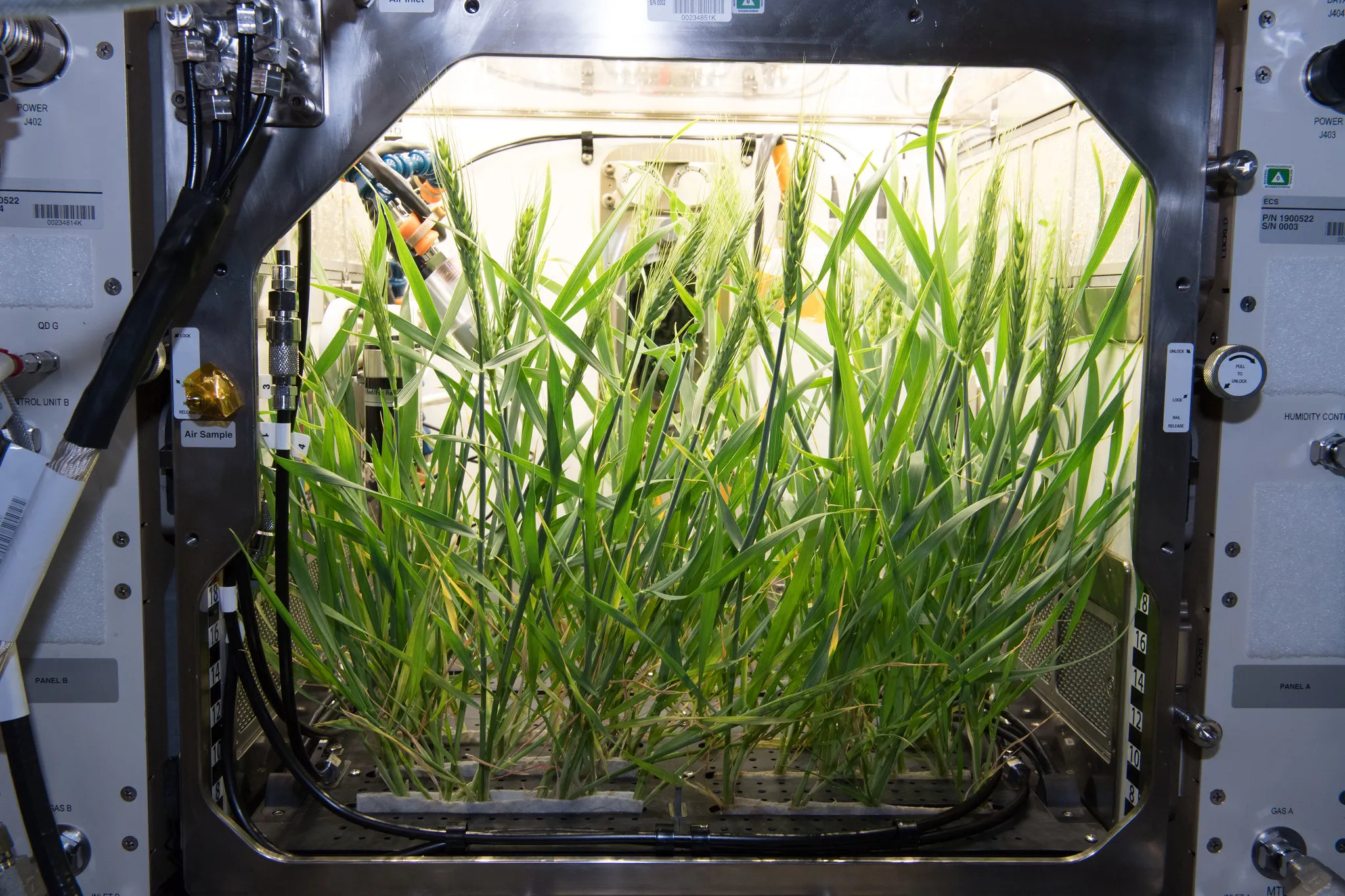
Test crops of wheat grown aboard International Space Station, NASA.
Back on planet earth, some examples of the seed banks being used are: 2015, the civil war in Syria put the ICARDA seed bank near Aleppo under threat, one of the worlds largest repositories of drought resistant wheat and barley for the middle east. For the first time in history a withdrawal was made from the Svalbard Vault so that scientists could re establish these crops elsewhere (Science alert). Another example is the clover glycine, a rare herb native to Australia. In 2007, around 1,200 seeds were sent to the UK for storage at the Millennium Seed Bank. When bushfires destroyed a major habitat for the small plant in early 2020, the seed bank was able to send 250 seeds back to Australia to help them reestablish in the wild again (woodlandtrust.org).
These examples are making me think about how centres of plant conservation also often originated as centres of colonialist expansion. Kew Gardens originated to study plant species and their potential economic benefits to further expand the British empire. The imperial activity of colonialists arguably begun climate change, the nations now which it effects again have a relationship to these institutions such as Kew for conservation, their habitats still being effected and destroyed by the historical effects of colonialist activities. Does this just re centre these economically powerful nations and the promotion of their agendas be it under a greener banner? I believe in seed bank discourse there is ideas on how to store seeds, secure futures and ensure the diversity of plants outside of the seed bank model. For example Potato Park in Peru, made up of five Quechua-speaking communities rooted in the tradition and wisdom of indigenous communities growing more then 1,300 varieties of potato to ensure these varieties are kept alive (BBC Future).
Task has been a significant part of my process whilst developing work at Battersea Arts Centre. In relation to MSB I've spent some time thinking of performance tasks which could potentially be interesting to try and feed back into the process of developing the new project(s):
Give a seed to a child. Ask them to keep it safe for the rest of their lives. When they are old they should find a new child to give the seed to. Repeat the cycle for as long as possible.
Find a way to worship the contents of your kitchen cupboard.
Attempt to live off only what you can grow for a year.
Go to a field where a monoculture crop grows, for example of sugar cane, maize, rice, wheat, soya beans or potatoes and mark out one square meter. Take beautiful individual photos of each plant within that square meter. Print small passport sized photos and send them around the world for people to put into the photo sections of their wallets and carry around with them.
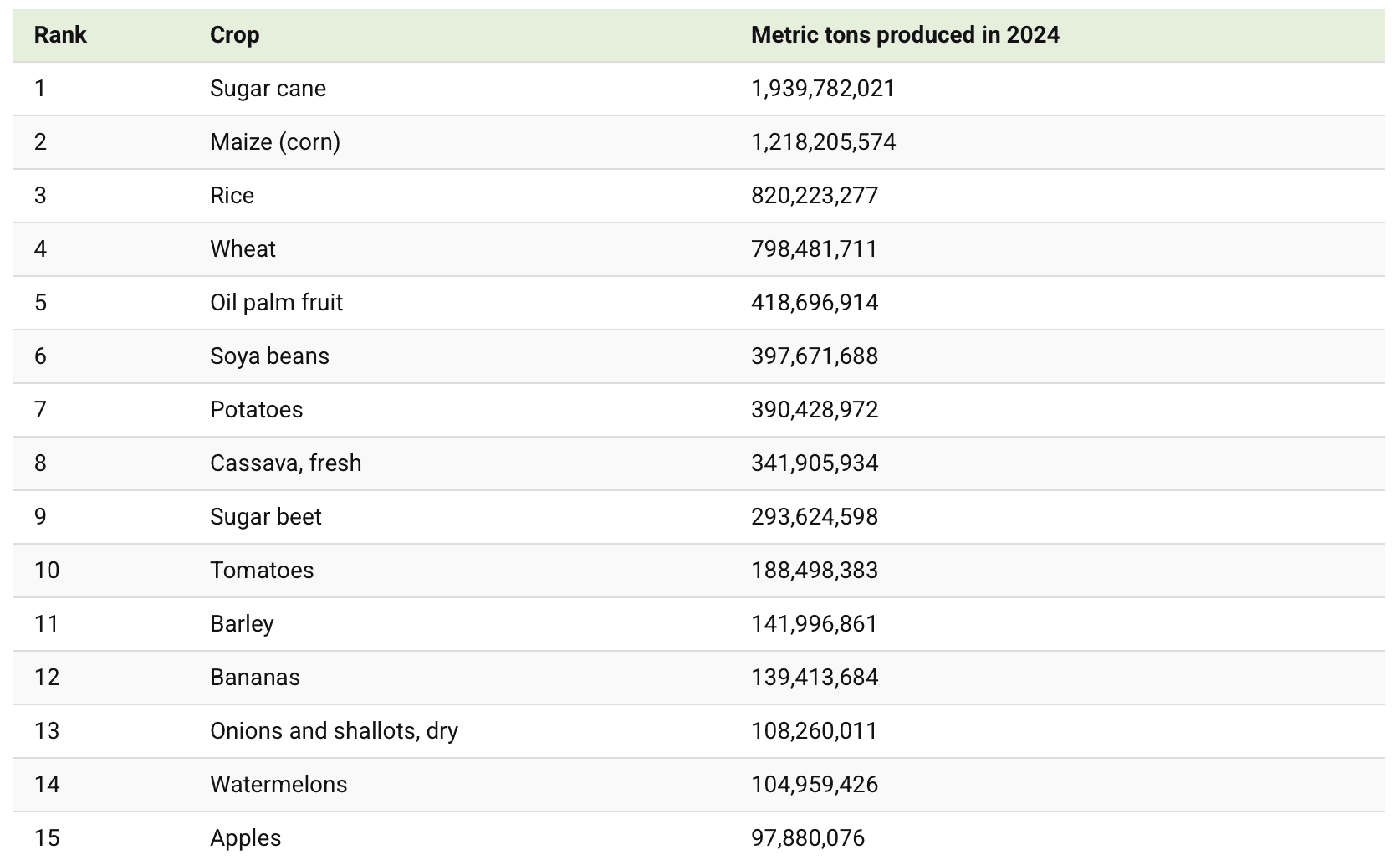
(The world's most harvested crops, Gabriel Cohen 2026).
Plant seeds at the wrong time of the year. Go back and check their progress a year on.
Plant a tree in an appropriate place for its specific species, if possible when you are a baby in the first year of life. Give it a lot of care at the beginning and visit often in the first years of its life. After the tree is stable return every 5 years for the rest of your life.
Collect architectural drawings of seed banks from around the world. Design a vault for another purpose.
Start a new seed bank, get strangers, friends and loved ones to submit their seeds.
Get a seed, talk to it, befriend it, be kind to it. Plant it in a city somewhere in the world that is important to you.
Create models of several species of rare wild bananas. Put them in a supermarket with the bananas you can find there.
Make a dance for each of the last remaining wild 21 Chichibu Birch Trees in Japan. Make each dance specific to each tree.
Attempt to plant and harvest a seed in the most inhospitable place on earth.
Make new recipes for crops that can grow in climates above 40 degrees, invite friends round to test the recipes.
Grow your favourite flowers that grow in summer where you live in space. Take a refreshing walk amongst them.
Find an invasive species, worship it.
Take a seed from a supermarket. Dry it. Guard it with your life.
Store a seed, any seed, for years and years. On a significant life event, a birth or death, let the seed germinate.
Take a seedling and attempt to grow it on your body.
Deliberately lose the seeds that have been stored for 100 years through careless acts.
Go down into the vaults of MSB and dance for the seeds pleasure.
Create a dance for the seedlings of a plant grown from one of the oldest viable seeds (1000 - 2000 years old seed before the parent plant started to grow).
Blog research and BAC residency as part of Make Space programme funded by Arts Council England and National Lottery